
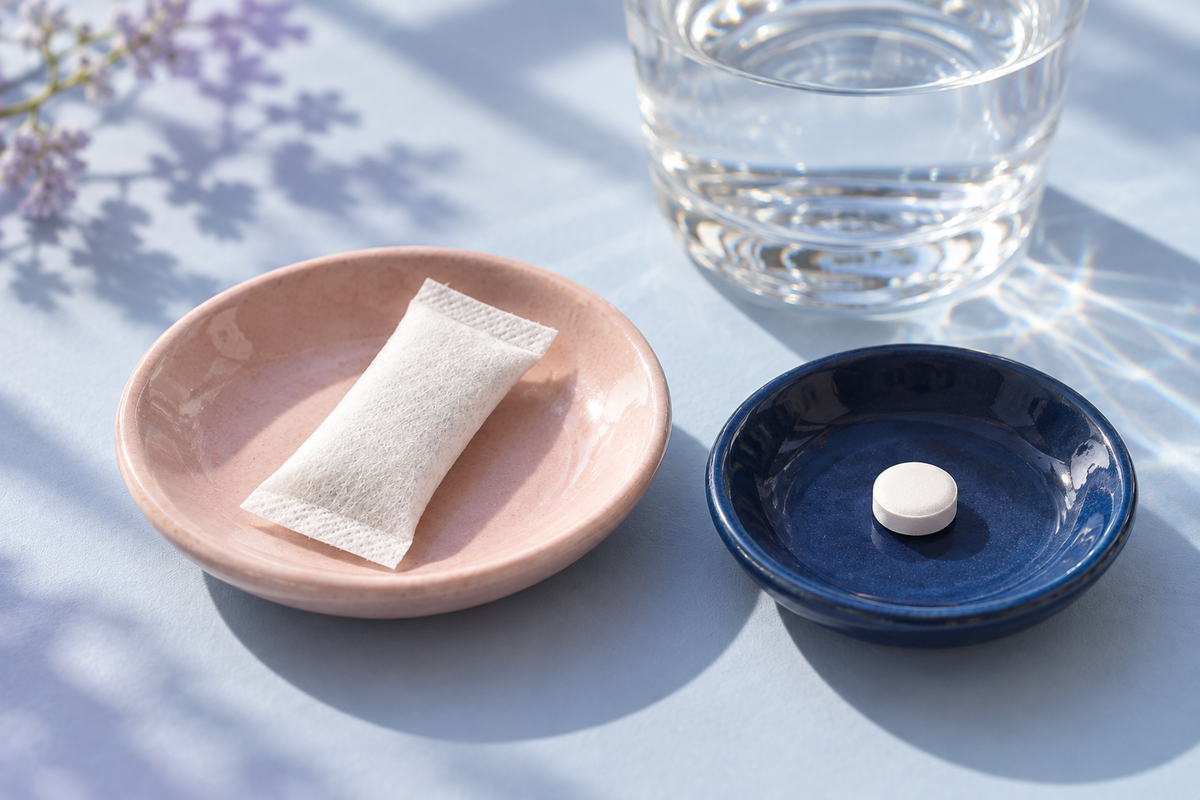
The 3 p.m. meeting is still on the calendar. Your inbox has developed a second inbox. You need to pick up a kid, make a flight, finish a shift, or somehow train after work. This is where caffeine pouches versus tablets becomes a real decision, not a supplement-aisle thought experiment.
Both formats can be useful when coffee is inconvenient or a giant energy drink sounds like a bad idea. But they work differently in the real world. One sits in a pocket and is used in the mouth. The other is swallowed with water. The better choice comes down to how much control you want, where you will use it, and how your body handles caffeine.
Caffeine Pouches Versus Tablets at a Glance
Caffeine tablets are straightforward: take a measured serving, swallow it, and let your digestive system do the rest. They are compact, usually flavor-free, and easy to keep in a desk drawer or travel bag. For someone who wants a familiar, no-frills routine, that simplicity is the appeal.
Caffeine pouches are designed to sit between the lip and gum. They are usually used without water, which makes them handy in situations where drinking a full cup of coffee would be annoying, impractical, or likely to lead to a badly timed restroom break. Think airport gates, long drives, job sites, packed event days, or a meeting where you are trying to look attentive instead of wrestling with a bottle cap.
Neither format is automatically better. A pouch may feel more discreet and easier to use on the move. A tablet may feel more precise if you prefer a fixed, familiar serving. The label matters more than the format alone.
The Big Difference: How They Fit Your Day
The first practical difference is water. Tablets generally need it. That is not a deal-breaker at home, in an office, or near a water bottle. It becomes less convenient when you are in transit, working outdoors, or stuck somewhere with only a suspicious vending machine nearby.
Pouches do not require a drink to use. You place one as directed and get on with your day. That can make a pouch feel less like a caffeine break and more like a tool you can use while the day keeps moving. There is no cup, can, shaker, or coffee breath involved.
Discretion is another factor. Swallowing a tablet takes a few seconds, but it is still a visible action. A pouch is generally less noticeable once it is in place. That may matter if you are in a customer-facing role, sitting through a long presentation, or traveling shoulder-to-shoulder with strangers who do not need to know your caffeine strategy.
There is a trade-off. Some people simply do not enjoy the sensation of a pouch in their mouth. Others dislike swallowing tablets, especially without much water. There is no prize for choosing the format that looks most hardcore. Pick the one you will actually use correctly.
Timing Is Not a Competition
People often ask which one hits faster. The honest answer is: it depends on the specific product, its ingredients, the caffeine amount, whether you have eaten, and your own metabolism.
A swallowed tablet moves through the digestive system before caffeine is absorbed. A pouch is used orally, but that does not mean every pouch will produce the same timing or feel. Formulation matters. So does the fact that caffeine can feel different on an empty stomach than after a meal, after poor sleep, or when you are already on your third coffee of the day.
Do not choose a format based on a promise of instant superhero focus. Caffeine is useful, but it is not a replacement for food, water, sleep, or noticing that you have scheduled four hours of work into a 45-minute window. Use the product directions, pay attention to the labeled caffeine amount, and give yourself enough time to see how it fits your routine.
Control Comes From the Label, Not the Hype
With tablets, control often feels simple because each serving is pre-measured. That can be helpful for adults who want consistency and do not want to eyeball scoops or nurse a drink for an hour.
Pouches can also offer labeled, measured servings, but the key is still the label. Check how much caffeine is listed per pouch or serving, how many servings are in the container, and the recommended use instructions. A small format does not automatically mean a small dose.
This is where people get themselves into trouble: they treat every caffeine source as separate. A tablet in the morning, a cold brew at lunch, and a pouch before the commute home may sound reasonable until you add up the total. Caffeine stacks quickly, especially on days when sleep did not show up for work.
If you are sensitive to caffeine, start conservatively. If you are pregnant or nursing, have a health condition, take medication, or have been advised to limit caffeine, talk with a qualified healthcare professional before using caffeine products. And if caffeine tends to leave you shaky, anxious, or staring at the ceiling at midnight, more is not the answer.
Flavor and Mouthfeel Matter More Than You Think
Tablets are typically neutral because you swallow them. That is a plus if you do not want flavor, sweeteners, or anything lingering after you take them. It is also why tablets can feel purely functional - like putting gas in a car, except the car has 14 browser tabs open.
Pouches add a sensory element. Flavor can make the experience more enjoyable, especially when you are replacing a coffee ritual or looking for something to use during a long stretch of focused work. But flavor and mouthfeel are personal. One person wants a bold, clean taste; another wants as little sensation as possible.
Ingredients vary widely across brands and products. Some pouches include flavor systems, sweeteners, and additional focus-oriented ingredients. Tablets may contain caffeine plus inactive ingredients used to form the tablet. Read the full ingredient panel rather than assuming that all products in the same category are built alike.
For adults who like the pouch format but do not want nicotine, nicotine-free options are worth seeking out. Rivox Labs offers nicotine-free Focus Pouches, along with Energy + Focus Gum for people who prefer a chewable format. Gum is different from both tablets and pouches: it is chewed rather than placed in the lip, so the experience, flavor, and directions are its own thing. Check the current product label for ingredients, flavor details, and labeled caffeine amounts before making it part of your routine.
When Tablets Make More Sense
A tablet is often the practical pick when your priority is consistency and simplicity. You may prefer one if you already have water nearby, do not care about flavor, and want to keep your caffeine routine as stripped-down as possible.
They can also work well when you are planning ahead. If your morning is predictable, a tablet may fit easily beside breakfast or your usual routine. There is little to think about once you know how you respond to the serving size.
The downside is that tablets can feel less flexible in the middle of a chaotic day. If you do not have water, do not want to swallow anything while driving or walking through an airport, or want a more discreet option, they may not be the best fit in that moment.
When Pouches Make More Sense
Pouches earn their place when portability is the priority. They are built for the gap between where you are and where you need to be - before a late shift, while unloading gear, during a delayed flight, or halfway through a workday that has somehow become two workdays.
They may also suit people who want an alternative to coffee without carrying a drink around. No spills in the car. No lukewarm cup on the desk. No need to hunt down a café with a line moving at glacier speed.
Still, use them as directed. Do not assume a pouch should be chewed, swallowed, or used longer than the instructions say. If the format causes irritation or discomfort, stop using it. Convenience only counts if it works for you.
Choose the Format You Can Use Well
The better choice is rarely about what is strongest or most impressive. It is about what gives you practical, predictable support without adding friction to an already full day. Tablets are clean and measured. Pouches are portable and discreet. Gum offers another route for people who prefer to chew.
Read the label, respect your total caffeine intake, and test any new format on a normal day instead of right before the most important presentation of your month. Dialed In. On Demand. works best when you know what your body responds to and keep the plan simple.


