Your coffee went cold during the first meeting. Lunch is still a calendar event, not a meal. You have a pickup line, a late workout, or another few hours under fluorescent lights ahead. This is where the energy gum vs energy drinks question stops being theoretical: what can actually fit into the next part of your day?
Both formats can provide a caffeine boost. The better choice depends less on hype and more on your setting, your caffeine habits, and whether you want something you can use without carrying around a can for the next hour. One is a drink. The other is a small, chewable tool. That difference matters when the day gets crowded.
Energy Gum vs Energy Drinks: The Main Difference
Energy drinks are straightforward. Open a can or bottle, drink it, and you get the ingredients listed on the label in a liquid format. They can be useful when you want a cold drink, need hydration alongside your caffeine, or simply enjoy the flavor and ritual of drinking one.
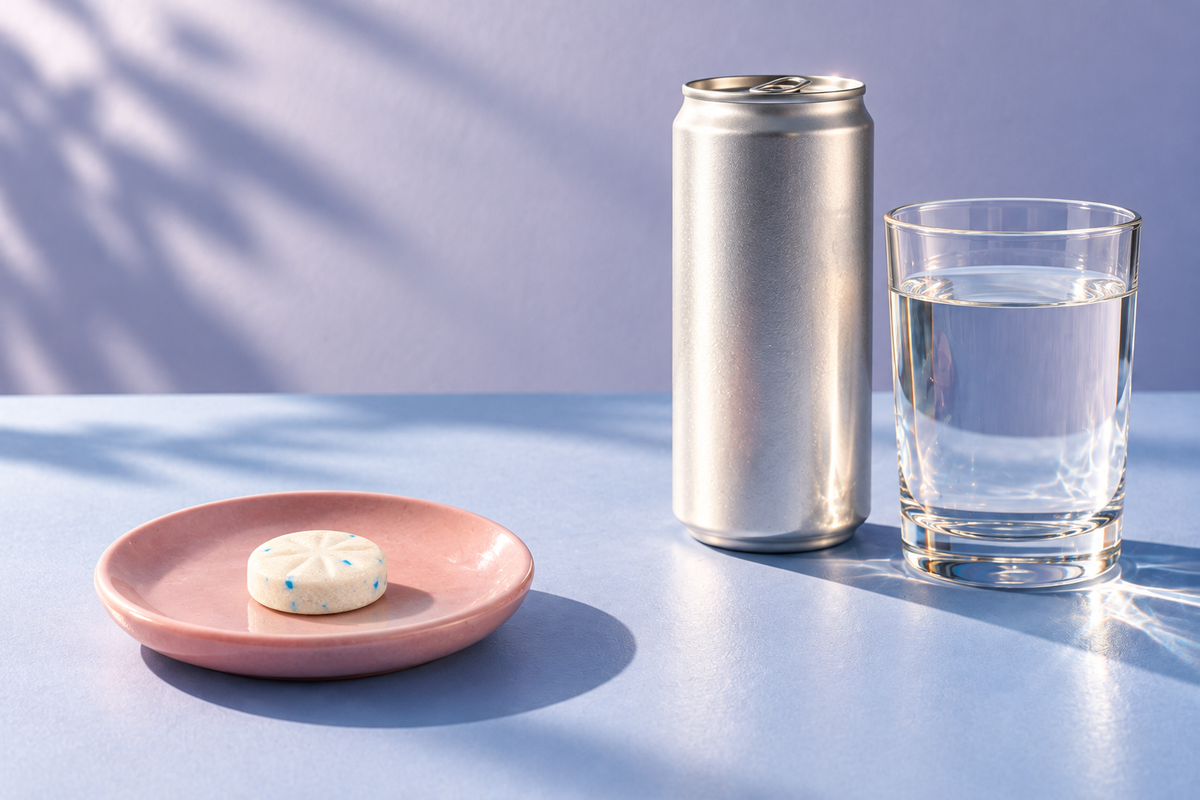
Energy gum takes a different route. You chew it, then keep moving. There is no can in the cup holder, no half-finished drink on your desk, and no need to find a trash can immediately after you finish. For people who spend their day moving between calls, cars, gyms, job sites, airports, and family obligations, that small format can be a real advantage.
Neither format automatically makes a long day easier. Caffeine can help you feel more alert, but it cannot replace sleep, food, or a break when you genuinely need one. The useful question is simpler: which option gives you the amount of support you want with the least friction?
Convenience Is More Than Pocket Size
An energy drink is easy to understand, but it asks a little more of the moment. You need to carry it, open it, drink it, and eventually deal with the container. That is no big deal at a desk, during a road trip, or while sitting down for a while. It is less convenient when you are heading into a meeting, boarding a flight, or trying to keep your hands free.
Energy gum is built for those in-between moments. A piece can fit into a commute, a pre-call reset, or the gap between school pickup and evening plans. You can carry it without adding another object to your bag. That may sound minor until you are already juggling a laptop, lunch container, charger, and the vague sense that you forgot something important.
Rivox Energy + Focus Gum is designed around that portable use case: a nicotine-free, chewable option for adults who want energy and focus without making a full beverage part of the plan.
There is a trade-off. Chewing gum is not always ideal in every setting. Some people do not want to chew during a formal meeting, while eating, or when their mouth is already dry. If you want a beverage break, a drink can be the better fit. Convenience is personal, not a contest.
Caffeine: Compare the Label, Not the Category
The word "energy" tells you almost nothing about the actual caffeine amount. Energy drinks vary widely, from modest servings to formulas with enough caffeine to make a late-afternoon choice worth thinking through. Energy gum can also vary by piece and serving size.
That is why the label matters more than the format. Before choosing either one, look at the caffeine amount per serving, how many servings are in the package, and what else you have already had that day. A morning coffee, an afternoon energy drink, and a pre-workout product can add up faster than most people expect.
For healthy adults, the FDA cites 400 milligrams of caffeine per day as an amount not generally associated with dangerous negative effects. That is not a target, and it is not a personal guarantee. Sensitivity differs. So do sleep schedules, medications, health conditions, and tolerance. People who are pregnant, nursing, managing a medical condition, or taking medication should get individualized guidance from a qualified clinician.
Timing matters too. If caffeine tends to follow you into the night, a 4 p.m. boost may be borrowing energy from tomorrow. A smaller, earlier option can make more sense than trying to rescue a rough afternoon with a large dose late in the day.
Ingredients and Flavor Change the Experience
Caffeine is usually the headline ingredient, but it is not the entire label. Energy drinks may include sweeteners, sugar or no sugar, flavorings, vitamins, amino acids, and other compounds. Some are carbonated. Some taste like fruit punch in a racing helmet. Others are closer to sparkling water.
Energy gum has a different ingredient profile because it needs a gum base and chewing texture. Depending on the product, you may see sweeteners, flavors, caffeine, and ingredients positioned around focus. The exact formulation matters, especially if you avoid certain sweeteners, follow dietary restrictions, or are sensitive to particular ingredients.
Flavor is practical, not frivolous. If you dislike the taste, you will not use the product consistently. A drink may be more refreshing when you are hot or thirsty. Gum can be cleaner and less messy when you want flavor without another full beverage. Read the ingredient list and choose something you will actually tolerate on a stressful Tuesday, not just something that sounded good in a product photo.
When an Energy Drink Makes More Sense
There are plenty of times when a drink is the obvious choice. If you are thirsty after a workout, need fluids during a long drive, or want a slow sip while you work, a beverage may meet the moment better. If your preferred energy drink has a caffeine amount you already know works for you, familiarity has value.
A drink can also create a useful pause. Stepping away to refill water or sit for five minutes is not wasted time. If you have been staring at a screen for three hours, another source of caffeine may not be the only thing your brain is asking for.
Just be honest about what is in the can. A large serving, lots of added sugar, or a late-day caffeine hit may not match your goal, even if it gets you through the next task.
When Energy Gum Has the Edge
Gum earns its place when you need to be dialed in without turning it into a production. Think early flights, back-to-back appointments, a long shift, an afternoon commute, or the last hour before training when you need to arrive mentally present.
It is also useful for adults who prefer controlled, portable formats. Rather than committing to a whole drink, you can use the labeled serving guidance and build a routine around the moments when focus tends to slip. Keep the package where the friction usually starts: in your work bag, car console, travel kit, or desk drawer.
The key is not treating any energy product like an emergency substitute for basic maintenance. Eat enough. Drink water. Protect sleep where you can. Then use caffeine deliberately, not as a panic button with better branding.
A Practical Way to Choose
Start with your most common problem. If the issue is thirst, choose a beverage and include water in the plan. If the issue is a tight schedule with no room for another container, gum may be the cleaner answer. If you are trying to reduce sugar, compare labels instead of assuming that one category is better.
Then consider your timing. Use the smallest effective amount that fits your tolerance, and avoid stacking products because the first one felt subtle. Caffeine is not a group project. Track what you use for a few days if your routine is unpredictable. You may find that the afternoon slump is less about needing more caffeine and more about needing lunch before 3 p.m.
Finally, choose the format you will use responsibly. The best energy tool is not the loudest one. It is the one that fits your real life, gives you clear label information, and helps you show up ready for what is next.
Tomorrow's schedule will probably still be full. Put the option that fits it within reach, check the label before you need it, and save a little of your attention for the parts of the day that matter after the work is done.


